
How to Find Who Owns a Garfield County Property
Garfield County's home page links to Online Parcel Records. Treat the parcel result as a lead, not a verdict. The screen shows the tax owner field and parcel ID. The county publishes no schedule for how often that field refreshes. Recorded documents are not online, the Recorder says. So final confirmation means the latest deed at the courthouse or a copy request. A tax roll or GIS map can guide the property search. But neither replaces the instrument.
- Search the parcel by address or exact parcel ID and copy the owner string, situs, mailing address, and as-of date.
- Ask the Recorder for the newest deed and compare its grantee and legal description with the parcel record.
- If a company holds title, check the exact entity name and its state filing as context for that title string.
- Use a tax mailing address only as a contact clue; keep it separate from the property location.
Ownership research runs in one direction. Address first, then parcel, then the assessor owner field, then the recorded deed, with entity or estate context as needed. Document dates settle arguments. When two county sources disagree, the dates usually explain the gap instead of one office being wrong.
Roll Owner and Deed Grantee Are Different Roles
The Assessor's parcel record finds names fast. The deed is what transfers title. The two can disagree for a while. The county shares no update schedule for the Assessor's side. A fresh deed may land before the tax roll catches up, and it may transfer only a partial interest. Before merging the two names, compare the recording date, the grantee, the legal description, and the parcel's current configuration.
Recorder staff keep ownership plats for assessment work and can help locate a parcel. They do not perform title searches. They will not interpret legal instruments either. For the timing question, the current-owner record route explains how to compare the two clocks. For a chain of earlier transfers, use the Recorder's name index and the deed workflow.
Where Garfield County Owner Information Comes From
Several public sources can name a party tied to a parcel. They do not show the same kind of ownership. The assessor field is the tax-roll owner reference. The deed lists parties to a recorded transfer. A company filing explains a legal entity, and a GIS map may repeat selected parcel attributes. Verify the portal's labels with the office before citing them.
| Source | Owner Info It Gives | Access |
|---|---|---|
| Assessor parcel record | Owner field, parcel, situs, mailing, and value where displayed | County parcel search; exact fields need live confirmation |
| Recorder index and deed | Grantor, grantee, instrument type, description, and filing reference | Counter inspection or copy request; documents not online |
| Utah entity record | Entity name and filed business information | State search; context only, not land-title proof |
| Utah Parcels / SGID | Parcel ID and selected owner or assessment attributes | Reference map; fields vary and may be blank |
An owner of record is not always the occupant. A parcel can sit in a trust or estate. Co-owners and nonlocal owners are common. Mailing addresses may belong to an agent or tax contact rather than to the land itself. Use Garfield County parcel data for property diligence, never as proof of who lives there.
Garfield County LLC Names Need State Context
A company name on a Garfield County deed deserves a second look. Search that exact name with the Utah Division of Corporations. Its registered-entity search offers a name lookup and an entity-type control. That can separate two similarly named companies. It might surface a filing contact. None of it proves ownership. It does not show a listed person holds title personally.
The Utah Division of Corporations site explains its entity, assumed-name, and filing services.
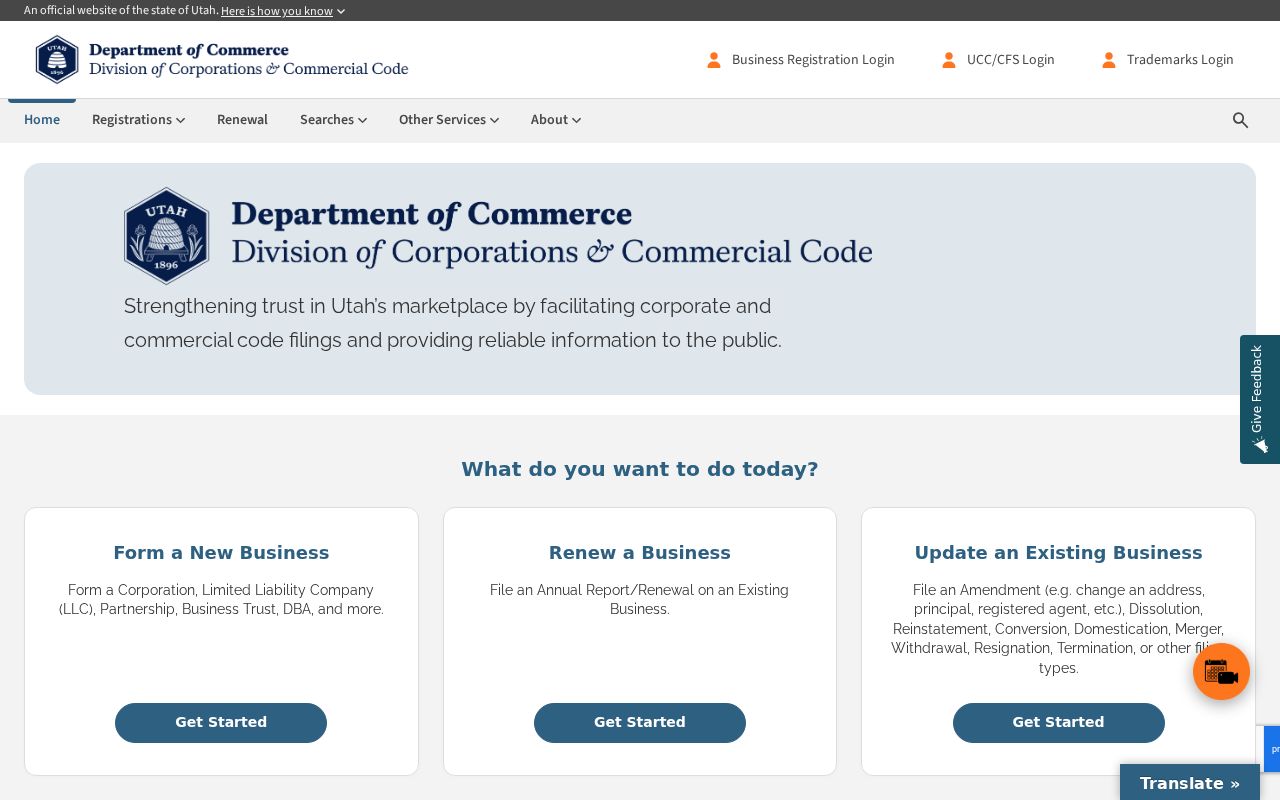
Copy the entity name exactly as the deed spells it. Then compare filing status and name against the deed date. A manager or registered agent is not the grantee. Trusts and estates may need deed and probate review instead. Never infer beneficial ownership from a short search result.
The state's entity search can clarify a business name in the land record.
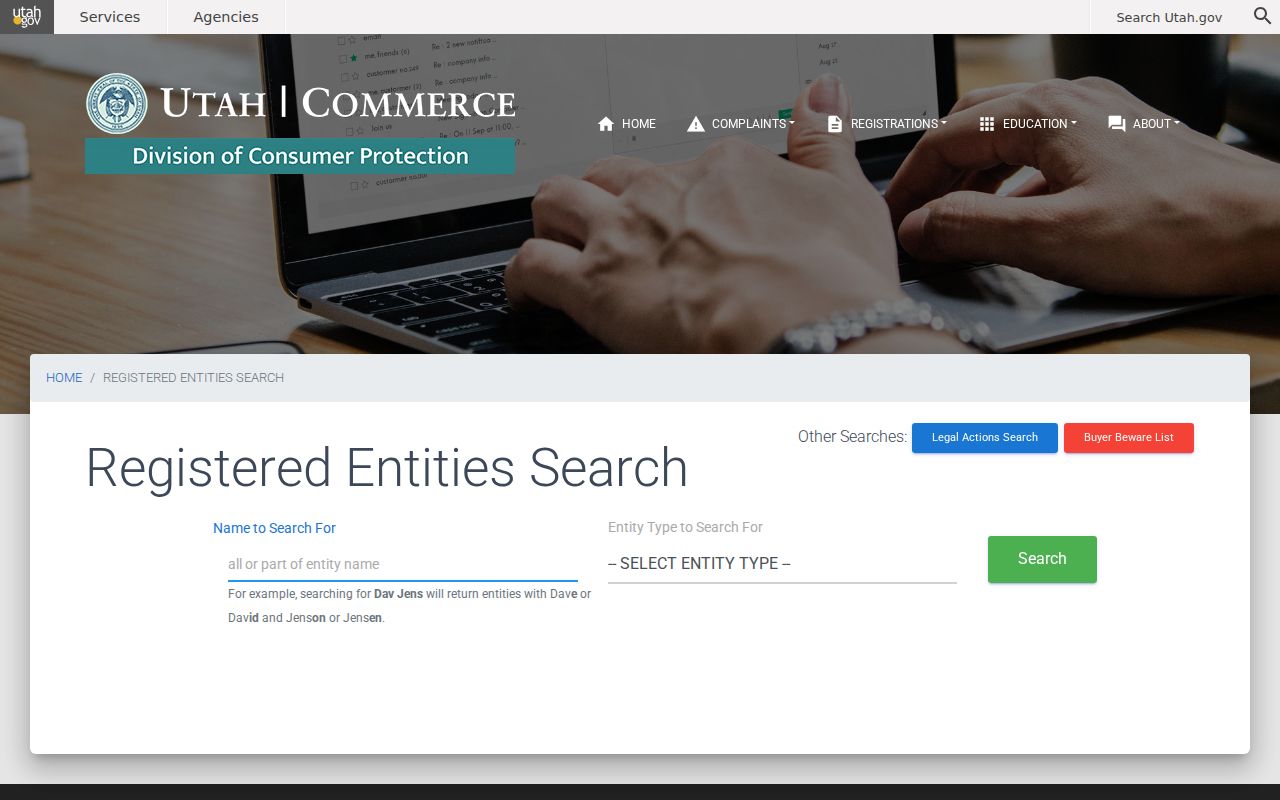
Let the state filing clarify the recorded name. The county instrument still governs the property interest itself.
Property Watch Can Flag New Garfield Filings
Garfield County Recorder's Property Watch is a free email alert. It serves residents who hold title to a parcel. When a new document records, the office notifies the title holder. The county protects contact information used for notices. One caution: some documents may not attach to a parcel. A quiet alert history is not proof that nothing was filed.
Register the property exactly as title holds it. Keep the parcel and owner names from the deed. If a company, trust, or co-owner appears in the chain, ask the Recorder how the program treats that parcel. Property Watch watches future recordings only. It cannot fix a stale assessor field or assign ownership of a different parcel.
The Recorder's page describes current alert access and eligibility.
Mailing Address Does Not Locate the Land
A parcel in Garfield County can carry two different addresses. The split trips people up. The situs address marks where the land actually sits. The mailing address is simply where the tax bill and other notices go. Look at the owner of record on a ranchette or a second home near Panguitch. You may find a PO box, a trustee office, or an out-of-county address in that field. For entity-held or agricultural parcels, that is routine.
Never drop a mailing address into a map search. Do not read it as a clue to city limits. The parcel polygon and the legal description are what locate the land. Address searching works better with the full highway or rural-road form plus the postal city. Confirm it against the plat or GIS map. Utah’s official city and ZIP table lists every ZIP. A ZIP label alone does not decide municipal jurisdiction.
Estate Transfers Can Change the Owner Name
A title holder's death can push the ownership chain through several instruments. The transfer may run through an executor deed. It may also involve an administrator deed, a beneficiary transfer, an affidavit, or a probate order. When a current parcel name clashes with an older deed, search the decedent. Also search the estate, the personal representative, and the heirs. Utah Courts Xchange carries public case information. However, Panguitch coverage starts in 2000, and converted older matters may be incomplete. A court case can point you to a probate order. The Recorder still holds the land instrument itself.
Death certificates are restricted for 50 years and require a direct, tangible, legitimate interest. Older county evidence may sit at Utah State Archives instead. This includes Garfield Clerk birth registers covering 1898 to 1905. Birth and death material can clarify identity or family context. Neither one proves a land transfer. The recorded deed or court order settles the legal interest.
For the instrument trail and copy access, use the Garfield County deed-records route.
Protected Addresses May Not Appear in an Owner Search
Utah's Safe at Home program gives eligible participants a substitute address plus mail forwarding. Agencies must accept that assigned address for covered records, and some identifying details stay protected. So a blank residential address does not mean a county record is defective. It is also not a reason to hunt for an occupant through unrelated databases.
If a field looks empty or protected, ask Garfield County what owner, mailing, or parcel information may lawfully be released. Keep any public owner lookup tied to the parcel and a legitimate property purpose. The county custodian can explain record access. The Recorder can locate the deed naming the grantee and the legal description.
What “Who Owns This Property” Cannot Tell You
A public owner field names the party Garfield County ties to a tax parcel. It does not confirm who lives there. It does not confirm who controls an entity or whether a title interest is clear. Utah shields some address information, and county records can lag behind a fresh transfer. The Safe at Home program relies on a substitute address for eligible participants. Treat a name match as a lead to the parcel and deed. Do not treat it as a conclusion about a person or a full ownership opinion.
Lawful use. Use a Garfield County owner lookup for a property question, purchase diligence, or record correction. Do not use names or addresses to stalk, threaten, or harass anyone.